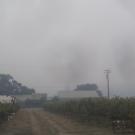
A wind-driven brush fire in Simi Valley could push east sending flames and smoke plumes into parts of Los Angeles, less than 18 months after catastrophic wildfires hit the communities of Altadena and Pacific Palisades.
The lessons from those twin 2025 fires are still being learned as researchers from University of California, Davis, other institutions in the state and the country are working to understand the effect on air quality, human health and the environment.
Every dollar spent on forest fuel treatments saves about $3.75 in wildfire damages, according to a new study, led by researchers at the University of California, Davis, of nearly 300 fires in the western United States.
Smoke from wildfires can alter grapes and affect the taste and sensory experience of wine, threatening California’s $88 billion industry as it faces an increase in fires on the horizon.
Researchers from the University of California, Davis, and U.S. Department of Agriculture spent this summer applying a calcium spray to grapes to see if the treatment can protect the fruit from smoke exposure.
California’s wildfire seasons are becoming more intense, and the state’s public bank of seeds to help replant and reforest lands after blazes is understocked by thousands of pounds.
A new research project out of University of California, Davis, aims to help solve that problem by using decades of data from historical cone collection records to model when cones in coniferous trees from wild stands will ripen.
Researchers from the University of California, Davis, used cell phone pings from mobile apps to better understand how farmworkers respond to wildfire smoke and other hazards.