News

Name that Llama, New Guardian of the UC Davis Sheep

She is sweet, sassy, nearly 300 pounds and very into sheep.

Meet the llama who moved into the Department of Animal Science’s sheep barn in July to help guard the flock of 150 from predators.

“She wants to be their friend but they aren’t too sure yet,” Matt Hayes, sheep facilities manager, said. “She’s the new kid trying to make friends on the playground.”

Faculty Recognized for Mentoring Underrepresented, Underserved Students

Five faculty members have been selected for a 2025 Chancellor’s Fellowship recognizing their work to, in the words of the organizers, “foster a learning environment where all students can develop the skills to be successful.”

Chancellor Gary S. May told recipients he was proud to highlight their “commitment to reducing opportunity gaps for underrepresented students and/or students from underserved communities.”

The recipients, as named by Chancellor Gary S. May and the Academic Senate, are:

California Gas Prices Set to Soar in 2026

Retail gasoline prices in California have been consistently higher than the U.S. average, but the gap may continue to grow with the upcoming closure of two gasoline refineries. A new article by University of California, Davis, economists examines the impact of these closures on California gas prices. The authors find that, by August 2026, when the full effect of the closures is realized, California prices could rise by $1.21 if no further significant changes happen in the market.

Caterpillar Growth, Feeding and Survival Patterns Shift Due to Warming Climate

As climate change drives up temperatures around the clock, warmer nights may be especially dangerous for caterpillars – causing them to grow fast but die young. University of California, Davis, researchers used hand warmers, a novel approach to warm field plots, to test the effects of higher temperatures at night.

Disposable E-Cigarettes More Toxic Than Traditional Cigarettes

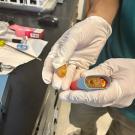
They may look like travel shampoo bottles and smell like bubblegum, but after a few hundred puffs, some disposable, electronic cigarettes and vape pods release higher amounts of toxic metals than older e-cigarettes and traditional cigarettes, according to a study from the University of California, Davis. For example, one of the disposable e-cigarettes studied released more lead during a day’s use than nearly 20 packs of traditional cigarettes.