Conservation

Grassland Bird Diversity in Sacramento County

Across an expanse of open grassland in Sacramento County, an eight-foot, stream cut bank holds dozens of mud-domed bird nests, where tiny heads peeked out before a colony of cliff swallows took flight. Cliff swallows are small migratory birds that arrive in the Central Valley each spring to breed, and while they now commonly nest on bridges and freeway overpasses, finding their nests built in a natural setting is a striking and special sight, particularly in California’s Central Valley.

Frog Love Songs and the Sounds of Climate Change

When the time is right, a good love song can make all the difference. 

A study from the University of California, Davis, found that temperature affects the sound and quality of male frogs’ mating calls. In the colder, early weeks of spring, their songs start off sluggishly. In warmer weather, their songs pick up the pace, and female frogs take note.

Better songs not only make the males more attractive mates, but they also suggest to females that environmental conditions are suitable for reproduction.


How Hotter Days Increase Risks for Monarch Caterpillars

Monarch butterfly populations have been declining since the 1990s, driven by several factors, including a changing climate. New research from the University of California, Davis suggests rising temperatures may be altering the behaviors monarch caterpillars use to survive, sometimes in ways that increase their risk of death.

Helping Birds and Floating Solar Energy Coexist

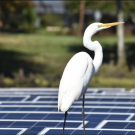
From a small California winery to a large-scale energy project in China, floating photovoltaics — or “floatovoltaics”— are gaining in popularity. Commonly installed over artificial water bodies, from irrigation ponds and reservoirs to wastewater treatment plants, floating solar projects can maximize space for producing clean energy while sparing natural lands.

A New Record for California’s Highest Tree

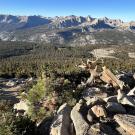
UC Davis Professor Hugh Safford was hiking for pleasure in California’s High Sierra when he stumbled upon a new elevation record for the Jeffrey pine, which may now be the state’s highest-altitude tree. His serendipitous finding is published in Madroño, a journal of the California Botanical Society.

California Rice and Wildlife Report Released

From ducks and cranes to giant garter snakes and salmon, flooded rice fields in California’s Central Valley offer important — often vital — habitat to many wildlife species. Yet uncertainties around crop markets, water and climate can prompt some growers to fallow rice fields or change their management practices.

Will today’s rice acreage under current practices be enough to meet key species’ needs? If not, how much rice is needed? Where should it be planted? And what management practices offer the greatest benefit for species of concern?