Science & Technology

Biologists and Engineers Discover What Makes a Plant-wilting Bacteria So Deadly

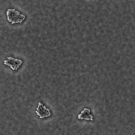
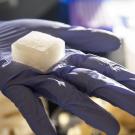
Slippery, drippy goop makes Ralstonia bacteria devastating killers of plants, causing rapid wilting in tomato, potato and a wide range of other crops, according to new research. The work, published in Proceedings of the National Academy of Sciences, comes from an unusual collaboration between plant pathologists and engineers at the University of California, Davis. 

Finding that Ripe Cone Sweet Spot: Looking Back to Help the Future

California’s wildfire seasons are becoming more intense, and the state’s public bank of seeds to help replant and reforest lands after blazes is understocked by thousands of pounds. 

A new research project out of University of California, Davis, aims to help solve that problem by using decades of data from historical cone collection records to model when cones in coniferous trees from wild stands will ripen. 

New Field of Ecological Medicine Emphasizes Health Benefits of Connectedness

Ecological medicine is a new approach to health science that draws on a very old idea: connecting with each other, with animals and plants, and with the natural world fosters health and well-being for people and the planet. 

“Everything you suspected was good for you -- fresh air, trees, animal companions, purpose, reciprocity -- turns out to have peer-reviewed backing,” said Rebecca Calisi Rodríguez, associate professor of neurobiology, physiology and behavior and director of the Green Care Lab at the University of California, Davis.

Cabernet Sauvignon’s Long Memory Revealed

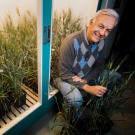
About 400 years ago, a cross between cabernet franc and sauvignon blanc gave birth to cabernet sauvignon. Today, cabernet sauvignon is the world’s most-planted wine grape, dominating vineyards from Napa to Bordeaux. New research from the University of California, Davis, reveals that the grape still carries a kind of gene memory of its parents.

Measuring Schoolyard Heat One Step at a Time

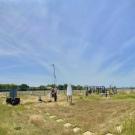
A team of researchers from University of California, Davis, spent the summer at elementary schools across the state measuring tree canopies and just how hot playgrounds, basketball courts, soccer fields and other outdoor spaces can get.

Tree canopies at California schools cover only about 4-6% of the average campus, meaning student breaks and outside activities are often under the glaring sun for the roughly 5.8 million K-12 public school students in California. 

California Gas Prices Set to Soar in 2026

Retail gasoline prices in California have been consistently higher than the U.S. average, but the gap may continue to grow with the upcoming closure of two gasoline refineries. A new article by University of California, Davis, economists examines the impact of these closures on California gas prices. The authors find that, by August 2026, when the full effect of the closures is realized, California prices could rise by $1.21 if no further significant changes happen in the market.

Native Turtles Return to Yosemite After Removal of Invasive Bullfrogs

The call of American bullfrogs was deafening when scientists from the University of California, Davis, first began researching the impact of invasive bullfrogs on native northwestern pond turtles at Yosemite National Park.

“At night, you could look out over the pond and see a constellation of eyes blinking back at you,” said UC Davis Ph.D. candidate Sidney Woodruff, lead author of a study chronicling the effects of removal. “Their honking noise is iconic, and it drowns out native species’ calls.”