Agriculture

Dean Ashley Stokes to Join UC Davis Agricultural Experts at World Ag Expo

Dean Ashley M. Stokes from the UC Davis College of Agricultural and Environmental Sciences, or CA&ES, will gather with fellow scientists, staff and students in Tulare at the 2026 World Ag Expo. 

The event, which is Feb. 10-12, is the largest annual agricultural show of its kind and brings together farmers, growers, ranchers, prospective students, alumni and leaders throughout the agricultural industry.

The theme this year is “Grounds for Innovation.” 

Selina Wang Named Faculty Director of the UC Davis Olive Center

For nearly 20 years, the Olive Center at the University of California, Davis, has worked to improve the olive and olive oil industry through research, education and outreach. The center, known for its work in sustainable olive growing and improving olive oil quality, has named chemist Selina Wang as its faculty director to guide the next phase of research and innovation for the state’s growing olive industry.

Turning Food Scraps into Opportunities

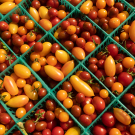
For every juicy tomato or crunchy almond California grows, there’s a pile of pulp, hulls or scraps that often goes to waste. A new online tool, created by University of California, Davis researchers, tracks those agricultural byproducts aiming to find innovative ways to put them to use.

New Accessibility Hub Brings Inclusive Gardening to Campus


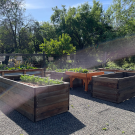
Sama Reitzes is all about building stronger communities through good food, sustainable practices and making gardening accessible to everyone. The UC Davis alum earned a bachelor’s degree in agricultural and environmental education last winter and continues to grow that work on campus, where she’s joined efforts to install a new ADA-accessible garden and make green spaces more inclusive for all.

Kids in the Garden: UC Davis Students Teach Lessons in Food, Plants and Nature

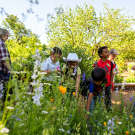
Under a canopy of trees, young kids dig for worms in a compost bin on campus. Their little dirt-covered fingertips gently pluck out one they think will be speedy enough to win a “worm race.” Led by UC Davis students, this hands-on activity shows kids how worms play an important role in healthy soil and plant growth. It's just one of many fun lessons in the Kids in the Garden program.

Sulfur Runoff Amplifies Mercury Concentrations in Florida Everglades

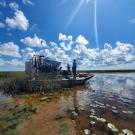
Sulfur applied to sugarcane crops in South Florida is flowing into wetlands upgradient of Everglades National Park, triggering a chemical reaction that converts mercury into toxic methylmercury, which accumulates in fish, new research from University of California, Davis finds.

Mapping California’s Shift to Organic Farming

Organic food is easy to find these days, from farmers markets to grocery stores. But organic farming covers only a small portion of California’s agricultural land. As the state pushes to make agriculture more climate-friendly, a new UC Davis-led research project is exploring why some regions are successfully shifting to sustainable practices – while others face more barriers to making the transition.

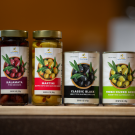
UC Davis Olive Center Brings Table Olive Products to Campus

The UC Davis Olive Center is rolling out a new line of table olives – savory and ideal for snacking, culinary creations and cocktails. The center, known for its expertise in olive oil research and production, is now offering canned and packaged table olives, featuring both California-grown and internationally sourced varieties.


UC Davis Table Olives

$5 cans of Classic Black or Fresh-cured Green
$13 jars of Kalamata or Martini
Available for purchase at:
 

Gift Extends UC Davis Pistachio Research: In Search of New Scions, Rootstocks

Warming weather, water scarcity and a loss of winter fog threaten pistachio production in California’s southern San Joaquin Valley, potentially disrupting one of the state’s most valuable crops.  

The University of California, Davis, is enhancing and expanding its Pistachio Breeding Program after a generous gift from philanthropist and pistachio farmer Rod Stiefvater, who is donating more than $335,000 over three years to develop new rootstocks that thrive under changing climate conditions.