Animal Science

CLEAR Center Director Frank Mitloehner Named Animal Science Chair

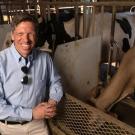
Frank Mitloehner, an air quality specialist, professor and director of the CLEAR Center, will be the new chair of the Department of Animal Science, which has the highest undergraduate enrollment in the College of Agricultural and Environmental Sciences. 

Dean Ashley M. Stokes called Mitloehner a distinguished member of the faculty who has had a significant impact in animal agriculture, environmental sustainability and public engagement. 

From Crop Rotation to Dairy Feed: College Begins Growing Silage

Once fallow tomato fields on the UC Davis campus are now home to irrigated corn fields growing silage that will help feed dairy cows.

The project is part of a new initiative bolstering sustainability and research efforts in the College of Agricultural and Environmental Sciences by bringing dormant fields back in action in support of campus research and facilities.  

Podcast: Where Science Meets the Herd

What does the world look like to a cow and why do goats spook so easily? New tools are helping people experience how livestock perceive and respond to their surroundings—leading to safer, lower-stress handling for animals and the people who raise them. UC Davis researchers and veterinarians are bringing these tools to ranchers and others, showing how understanding animal behavior improves welfare in real-world settings. In this episode of Unfold, we explore where science meets the herd.

An 'Egg-stra' Boost to Feed Both Campus and Community

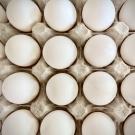
Fluffy scrambled eggs, omelets and breakfast burritos are all made possible by an egg-ceptional program feeding both campus and the community. Produced by hens raised on campus and cared for by our students, these eggs are part of nutritious meals found in the Dining Commons, a staple at The Pantry and helping local organizations like the Yolo County Food Bank.

Hayfeeders and Other Tools Can Improve Health, Welfare of Stabled Horses

Simple items like hay feeders, giant rubber activity balls and shatter-proof mirrors can improve the health and welfare of stabled animals while also reducing frustration behaviors, according to University of California, Davis, research published in the journal Animals

The findings offer a low-cost way for owners to keep horses engaged while reducing the risk of ulcers, fragile leg bones and other health and behavioral issues. 

A Microbial Blueprint for Climate-Smart Cows

Each year, a single cow can belch about 200 pounds of methane. The powerful greenhouse gas is 27 times more potent at trapping heat in the atmosphere than carbon dioxide. For decades, scientists and farmers have tried to find ways to reduce methane without stunting the animal’s growth or productivity.

Name that Llama, New Guardian of the UC Davis Sheep

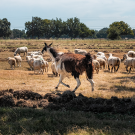
She is sweet, sassy, nearly 300 pounds and very into sheep.

Meet the llama who moved into the Department of Animal Science’s sheep barn in July to help guard the flock of 150 from predators.

“She wants to be their friend but they aren’t too sure yet,” Matt Hayes, sheep facilities manager, said. “She’s the new kid trying to make friends on the playground.”


Telehealth Can Improve Care for Cats with Chronic Health Issues

Caring for a cat with chronic health conditions can be challenging for all involved, from the process of getting to a veterinary clinic to the stress of being in a strange environment with new smells and animals.

Researchers at the University of California, Davis, worked with pet owners across the United States and Canada to determine whether video telehealth visits could help improve care and the home environment for cats with feline degenerative joint disease, commonly referred to as feline arthritis.